Tissue Repairs and Recovery
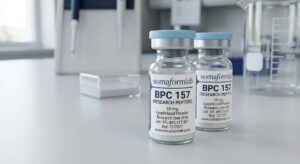
BPC 157 Peptide Tissue Repair Research USA
Laboratories focused on tissue repair models increasingly request bpc 157 peptide for controlled biochemical studies. This compound is examined for its role in cellular migration and connective tissue research in laboratory environments. Therefore, our USA collection provides high-purity material with full verification for reproducible assays. Additionally, comprehensive documentation supports traceability for qualified research facilities and internal quality systems.
Quality and Verification for Research Use
Quality remains essential when evaluating compounds for tissue repair research in the laboratory. Moreover, every batch undergoes independent third-party analysis via HPLC and mass spectrometry to confirm purity and identity. Furthermore, cold-chain handling preserves structural integrity during transit from synthesis to delivery. Consequently, research teams experience minimal variability between independent experiments. Explore available formats at research shop for your protocol requirements and storage options.
Research Applications in Tissue Models
Studies in this category focus on tendon, ligament, and gastrointestinal tissue models under controlled conditions. Similarly, stability across various pH environments allows researchers to evaluate protective mechanisms and recovery pathways. In addition, lyophilized presentation with clear reconstitution guidance reduces degradation risks during handling. Therefore, workflows remain efficient and consistent across studies. Learn about tissue repair peptides at NCBI for external scientific reference.
Laboratory Handling, Storage and Compliance
Proper handling is critical for stability in research settings and long-term storage. Moreover, each shipment includes a certificate of analysis, detailed storage instructions, and batch tracking for quality assurance and compliance. Furthermore, our team ensures rapid USA fulfillment to maintain material integrity and reliable inventory. Finally, bpc 157 peptide is strictly for laboratory research use only and not for human consumption, medical, or veterinary use. Buyer assumes all liability and must handle in licensed facilities.
Showing all 7 results
-

Bpc 157
Price range: $42.00 through $1,450.00Select options This product has multiple variants. The options may be chosen on the product page -

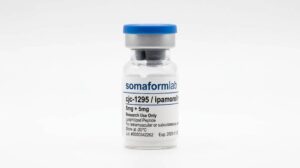
Cjc-1295/Ipamorelin
Price range: $40.00 through $990.00Select options This product has multiple variants. The options may be chosen on the product page -
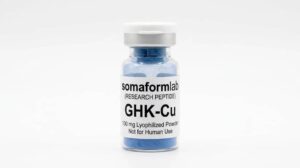
Ghk-cu
Price range: $40.00 through $1,250.00Select options This product has multiple variants. The options may be chosen on the product page -
Glow peptide
Price range: $50.00 through $750.00Select options This product has multiple variants. The options may be chosen on the product page -

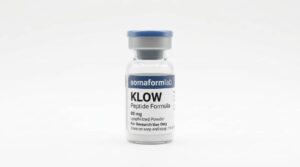
Klow
Price range: $60.00 through $1,050.00Select options This product has multiple variants. The options may be chosen on the product page -
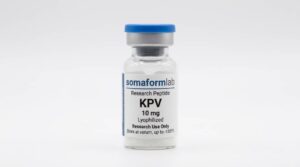
Kpv peptide
Price range: $30.00 through $480.00Select options This product has multiple variants. The options may be chosen on the product page -
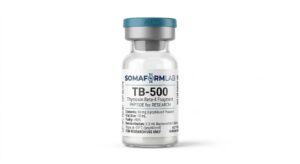
Tb 500
Price range: $25.00 through $680.00Select options This product has multiple variants. The options may be chosen on the product page