

Retatrutide Dosing Schedule & Clinical Protocol Guide
Understanding the proper retatrutide dosing protocol is essential for reviewing how this investigational triple GIP/GLP-1/glucagon receptor agonist functions in clinical trial settings. Clinical researchers observe that applying a gradual retatrutide dosage schedule minimizes side effects while maximizing therapeutic outcomes.
In Phase 2 and Phase 3 clinical trials, participants started on low amounts before stepping up to higher maintenance levels. Consequently, finding the right retatrutide titration protocol helps researchers balance metabolic efficacy against gastrointestinal tolerability. Below, we break down the published retatrutide dosing parameters, Phase 3 TRIUMPH trial schedules, and reconstitution math used in laboratory settings.
Understanding the Retatrutide Dosing Titration Path
The primary goal of a structured retatrutide titration protocol is lowering gastrointestinal side effects such as nausea or mild diarrhea. In early trials, participants who skipped low-dose escalation experienced a higher rate of adverse events than those who followed step-up schedules.
Therefore, Phase 3 TRIUMPH trials mandated a standardized starting phase. Every participant begins with a low retatrutide injection dose of 2 mg once per week for four weeks. Afterward, the protocol increases the amount every four weeks until reaching the designated maintenance dose.
| Week Range | Weekly Amount | Trial Phase Purpose |
| Weeks 1–4 | 2 mg | Initiation & GI Adaptation |
| Weeks 5–8 | 4 mg | First Escalation Step |
| Weeks 9–12 | 6 mg | Intermediate Step-Up |
| Weeks 13–16 | 9 mg | Advanced Maintenance Dose Option |
| Weeks 17+ | 12 mg | Maximum Therapeutic Target Dose |
Why a Gradual Retatrutide Dosage Schedule Matters
Applying a deliberate retatrutide dosage schedule allows the gastrointestinal system to adjust to slowed gastric emptying. Because retatrutide targets three separate metabolic receptors—GLP-1, GIP, and glucagon—the body experiences significant shifts in appetite suppression and energy expenditure.
Moreover, skipping stages in the LY3437943 dosing guide can lead to treatment discontinuation. Trial data demonstrate that escalating slowly keeps trial continuation rates high while achieving weight loss targets exceeding 24% over 48 weeks.
Need Reliable Research Supplies?
Skip the low-purity guesswork. Order high-purity, lab-grade research compounds and bacteriostatic water directly from our store.
🛒 [Visit the Shop Today & Get 10% Off Your First Research Order]
How Retatrutide Dosing Compares to Other Peptides
When evaluating peptide therapy data, researchers frequently compare retatrutide against older mono and dual agonists.
- Semaglutide: Features single GLP-1 activation with a target dose of 2.4 mg weekly.
- Tirzepatide: Features dual GLP-1/GIP activation with a target dose up to 15 mg weekly.
- Retatrutide: Activates GLP-1, GIP, and glucagon with a maximum retatrutide dosing target of 12 mg weekly, driving higher total fat oxidation.
Managing Research Reconstitution and Administration
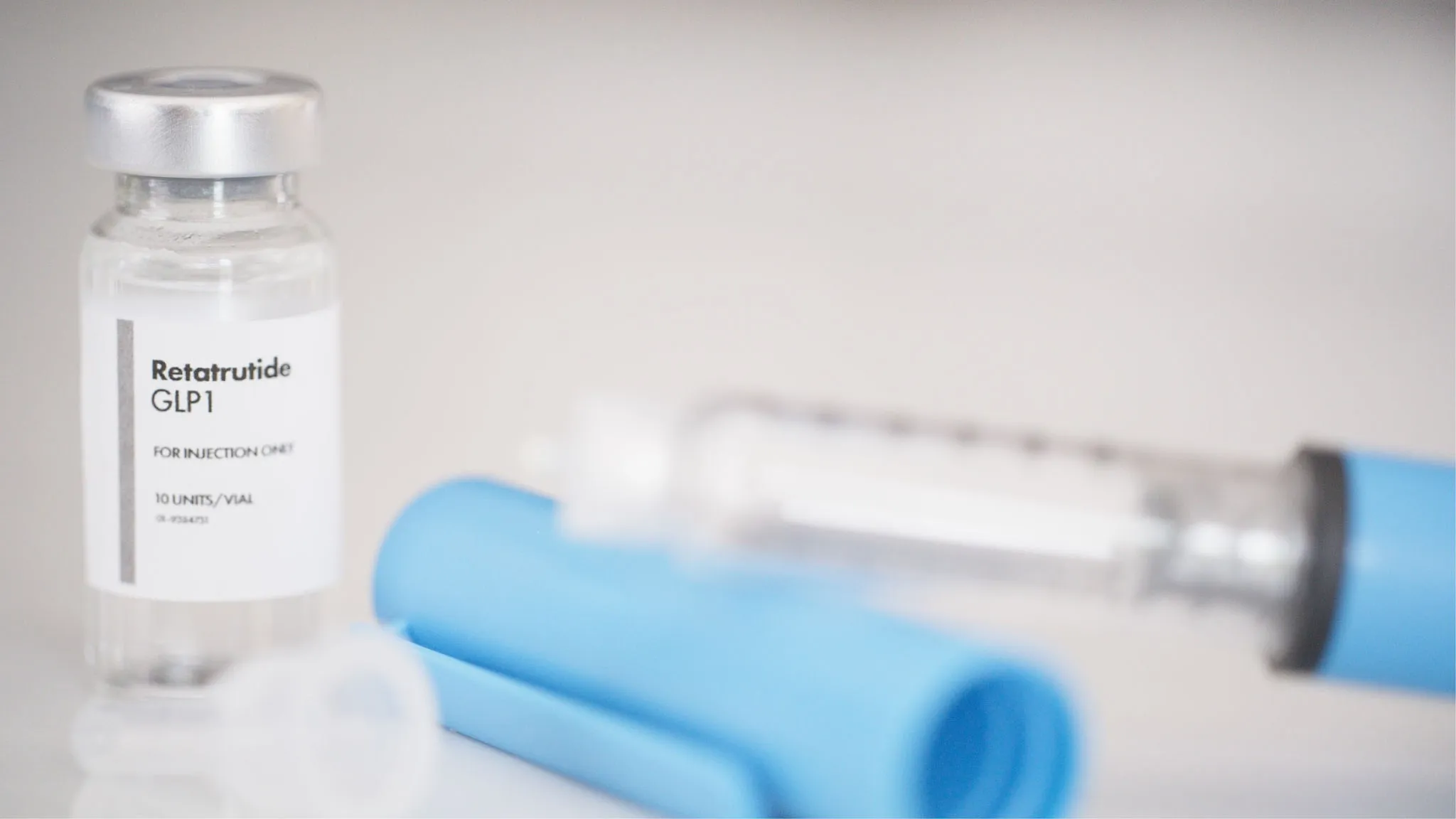
In scientific settings, research peptides arrive in lyophilized powder form within sealed glass vials. To prepare an accurate retatrutide injection dose, researchers mix the lyophilized powder with bacteriostatic water (BAC water).
- Calculate the desired concentration using a standard u-100 insulin syringe.
- Gently inject BAC water along the inner glass wall to prevent shearing the peptide structure.
- Allow the clear solution to dissolve fully without vigorous shaking.
- Store the reconstituted peptide solution under refrigerated temperatures between 2°C and 8°C.
Legal & Medical Research Disclaimer
This article is for educational, informational, and scientific communication purposes only. Retatrutide (LY3437943) remains an investigational triple-hormone receptor agonist that has not received approval from the U.S. Food and Drug Administration (FDA) for human medical consumption or prescription use. Nothing in this text constitutes personal medical advice, treatment protocol recommendations, or instructions for self-administration. All cited clinical trial schedules represent published research data from Phase 2 and Phase 3 clinical studies. Consult a qualified, licensed healthcare professional regarding any medical conditions, metabolic treatments, or prescription therapy options.